We cannot understand Mexico without Indigenous women—the grandmothers, mothers, and daughters who carry ancestral knowledge - Statement from Mexico's government
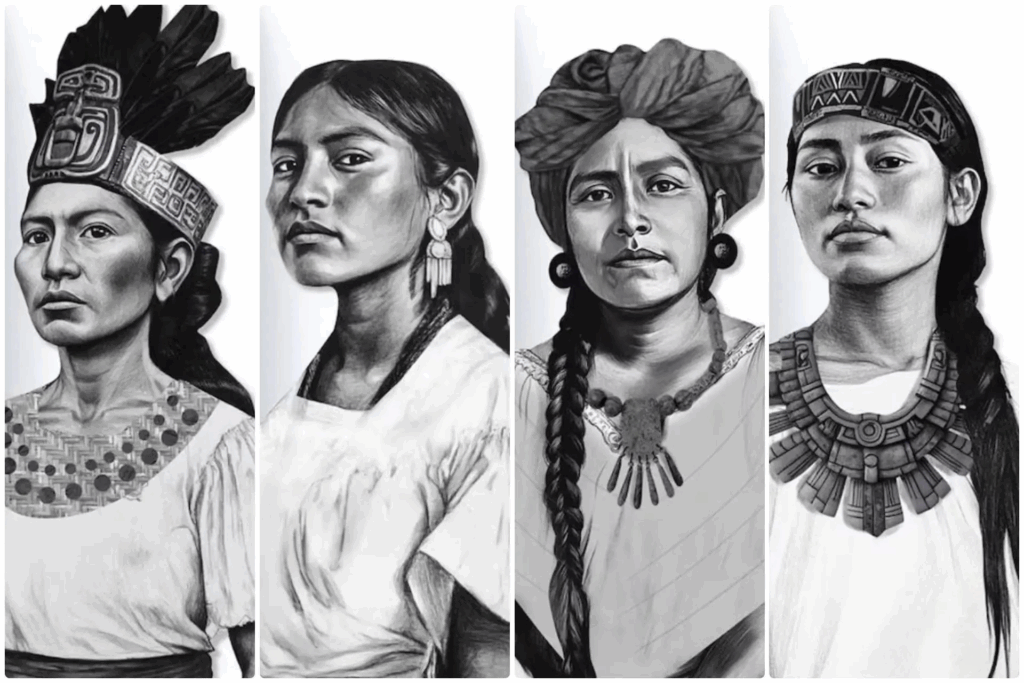
How many women in Mexico, indigenous* or not, know that 2025 has been formally recognized by the federal government as Año de la Mujer Indígena, Year of the Indigenous Woman?
President Claudia Sheinbaum, Mexico's first female president, declared it so in January. As in many places in the world, indigenous women in Mexico too often get little recognition. The government states this tribute is not only a celebration but also a call to action—to protect indigenous languages, defend ancestral lands, and ensure indigenous women are recognized as central to Mexico’s identity and future. Let's hope this year provides real benefits to women who safeguard culture and carry in their hearts and hands much needed knowledge. Below I've spotlighted three Oaxacan women who have inspired me with their artistry and industry. There are so many more. Take time to explore the many ways indigenous women everywhere touch the world.
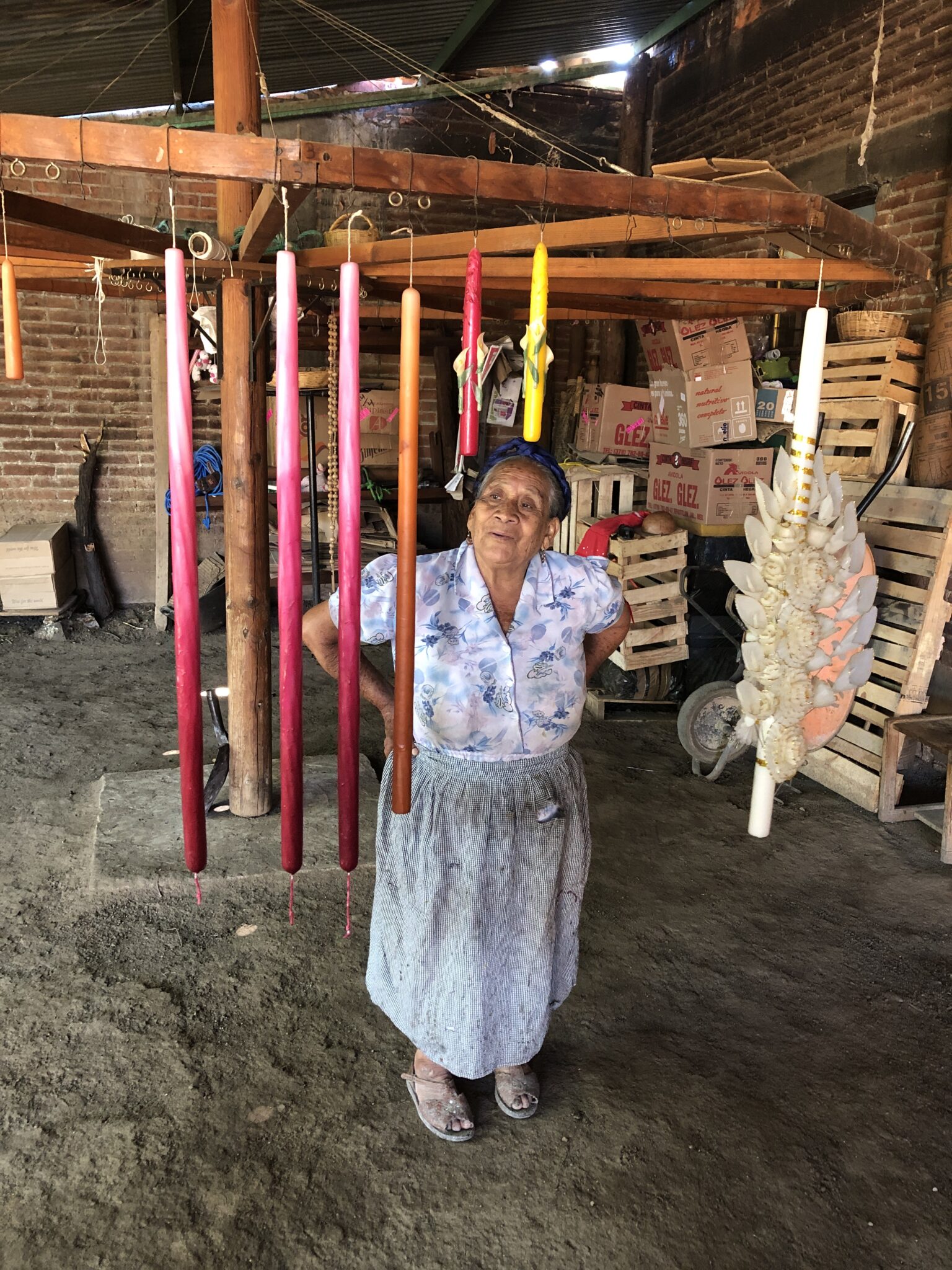
Doña Viviana Alávez is a renowned Zapotec master candle maker working in Teotitlán del Valle, a pueblo outside of Oaxaca City. Alávez began her art as a young girl and has never stopped. Visit her studio to see her at work-she is happy to demonstrate her craft-and buy one-of-a-kind candles. Not just famous in Oaxaca, Alávez has been featured in Vogue and other high-visibility outlets. Her candles are shipped all over the world.
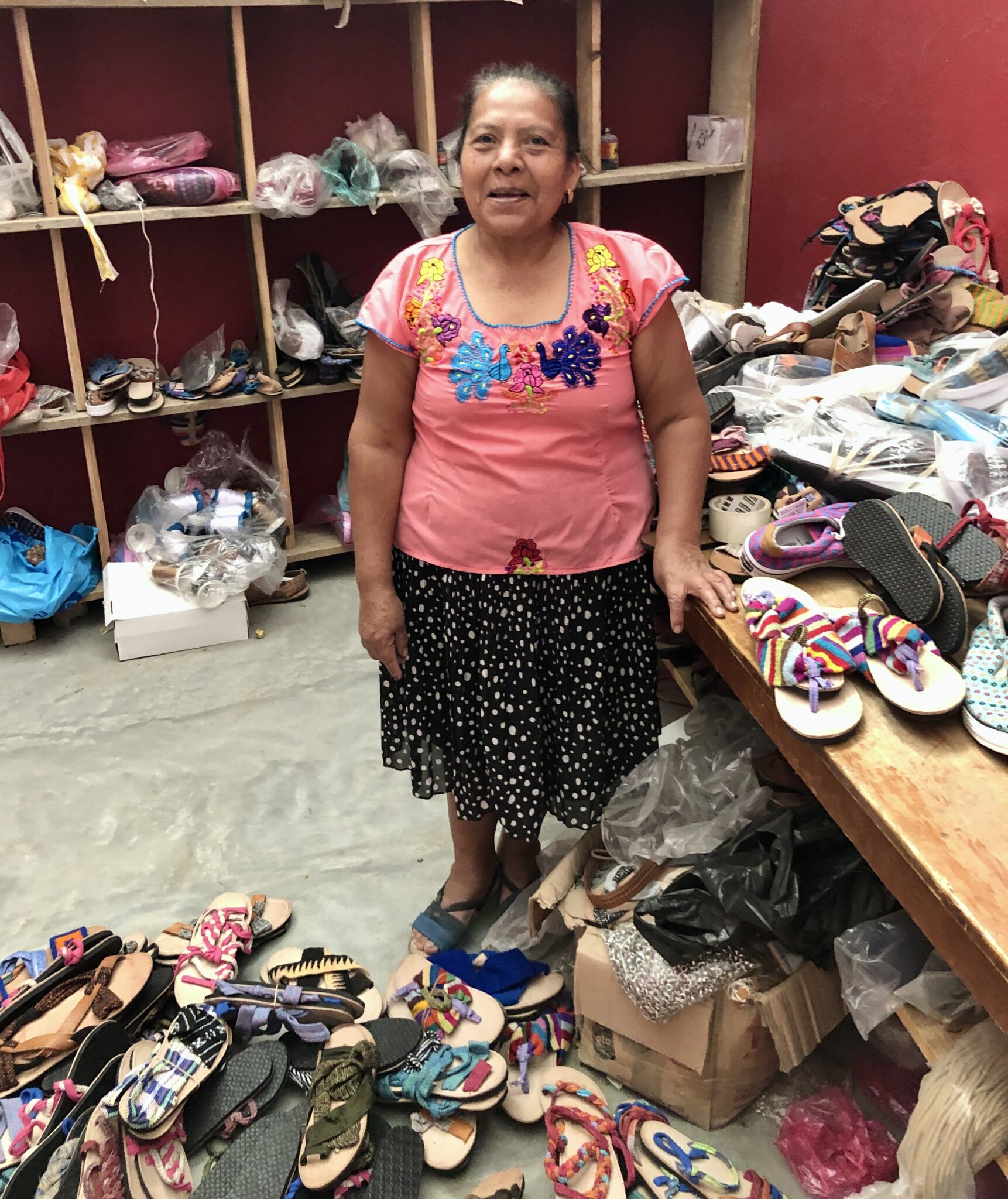
Clara García Antonio is a founder, and designer for Ndavaa, a cooperative of artisans from the San Dionisio Ocotepec community in south-west Oaxaca. The collective produces handcrafted sandals and shoes, designed through ancient traditions with distinct modern style. The family business benefits not just García's family and its locally employed team, but also a whole network of artisans who provide indigenous textiles.
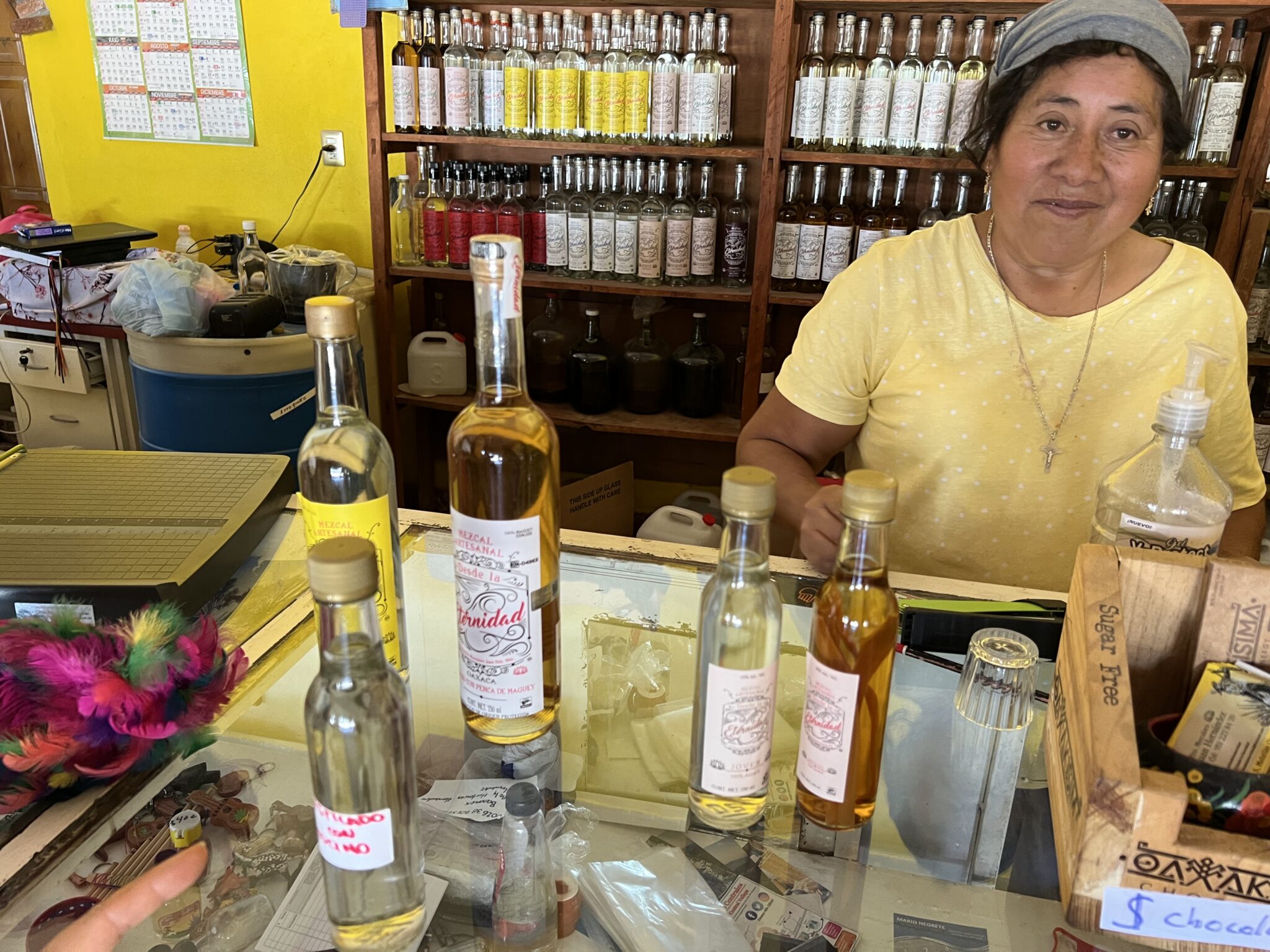
Hortensia Hernández Martínez, along with her two daughters, owns Mezcal Desde La Eternidad, a mezcal palenque in the Oaxaca municipal of Santiago Matatlán. Hortensia had initially worked alongside her husband, Juan, to build the business, which is based on five generations of mezcal-making knowledge. But when he died of Covid in 2020, she stepped up in a male-dominated field and kept the tradition alive. The business continues to thrive today.
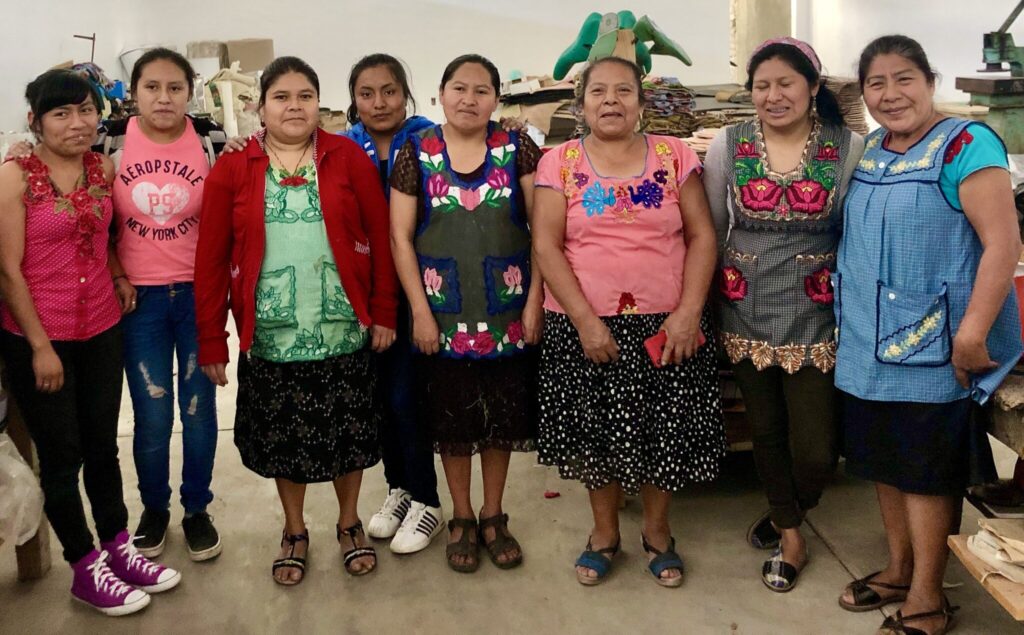
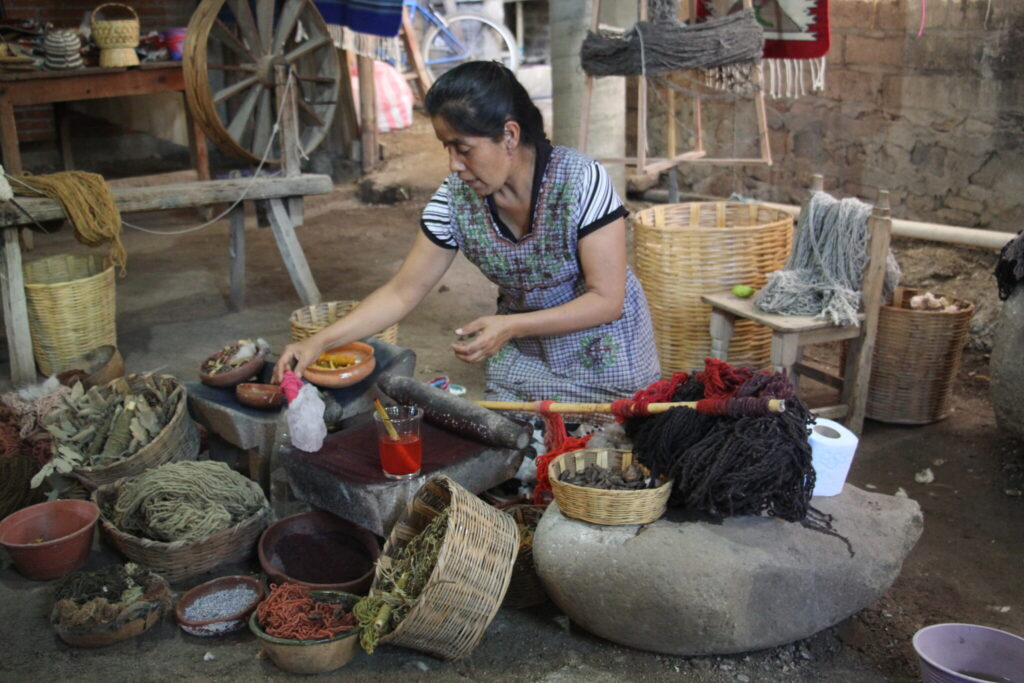
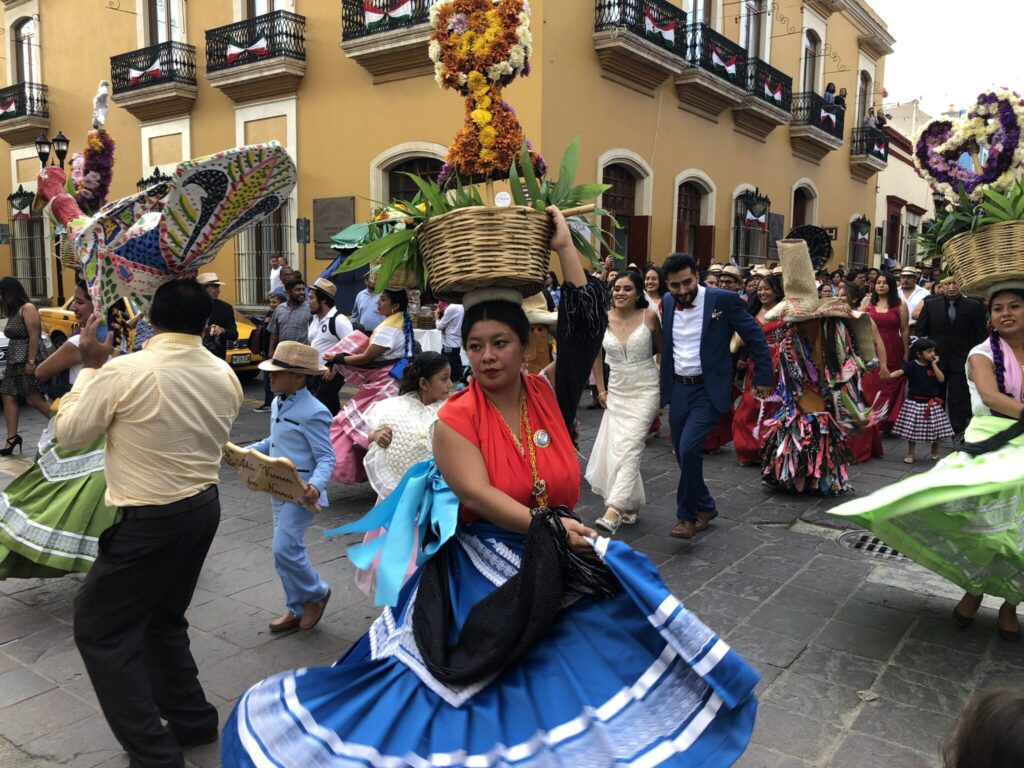
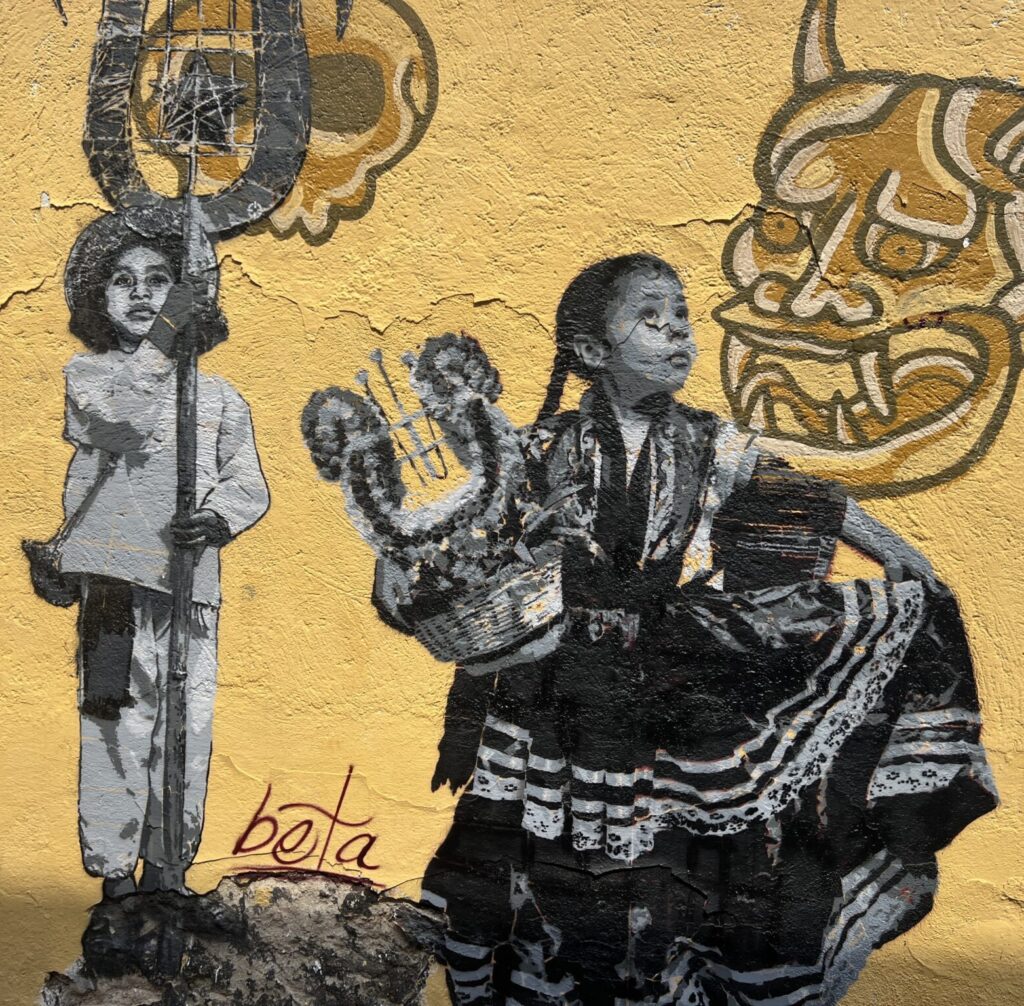
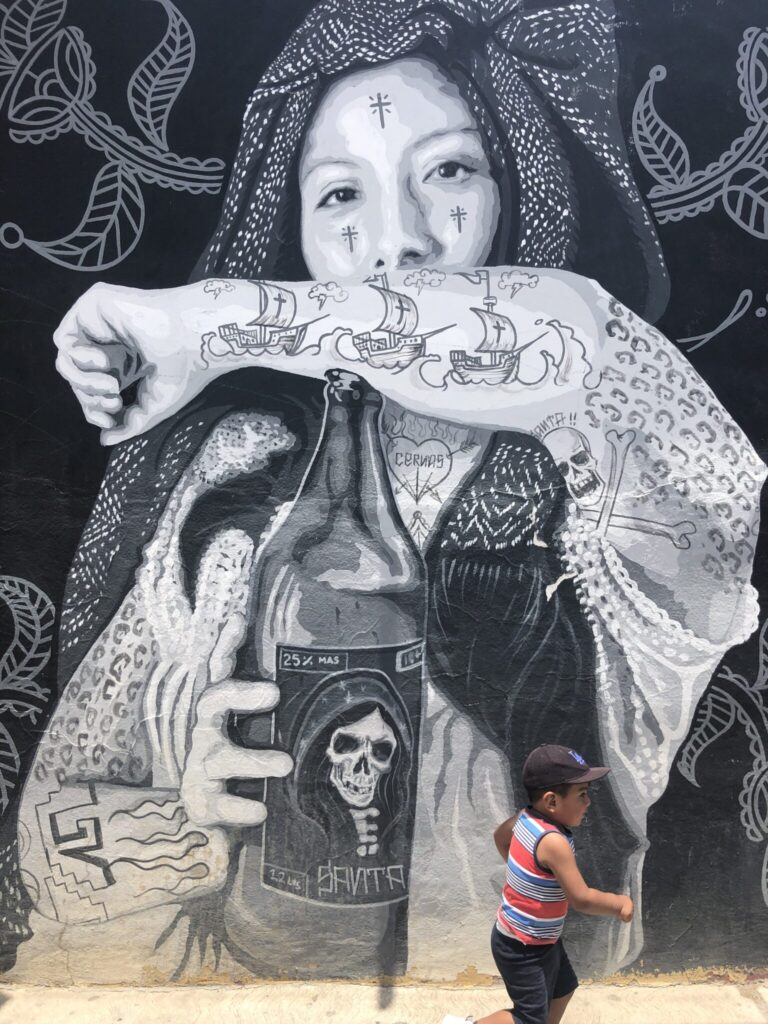
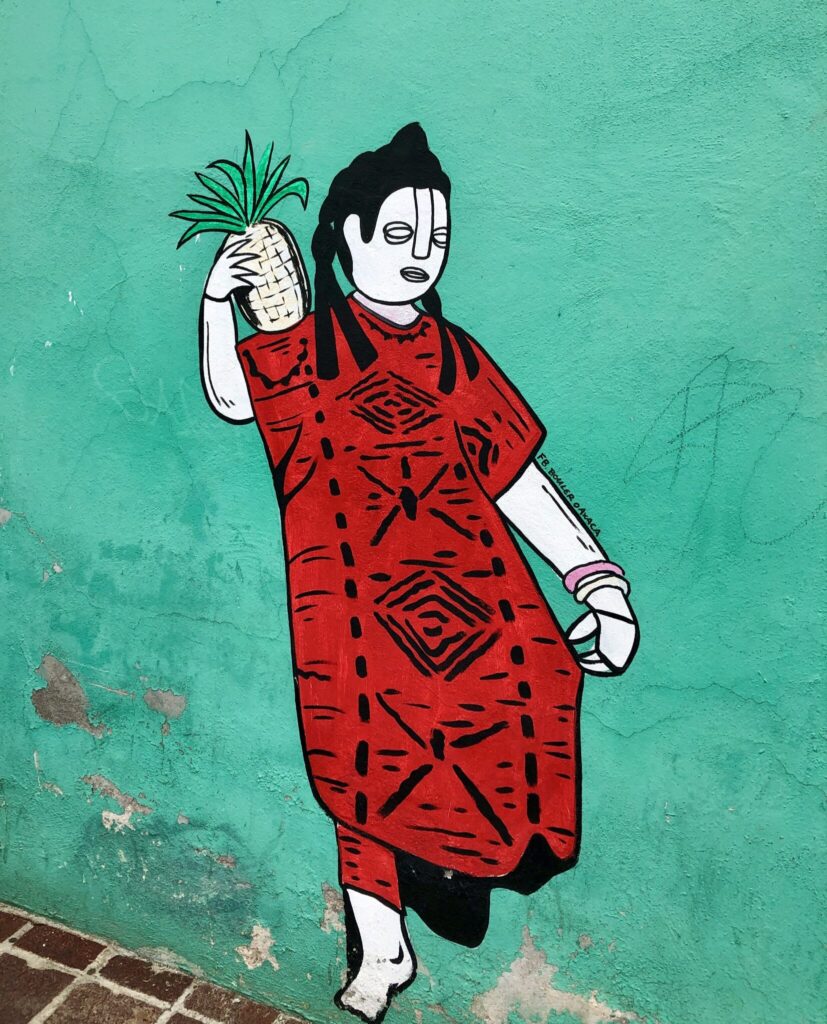
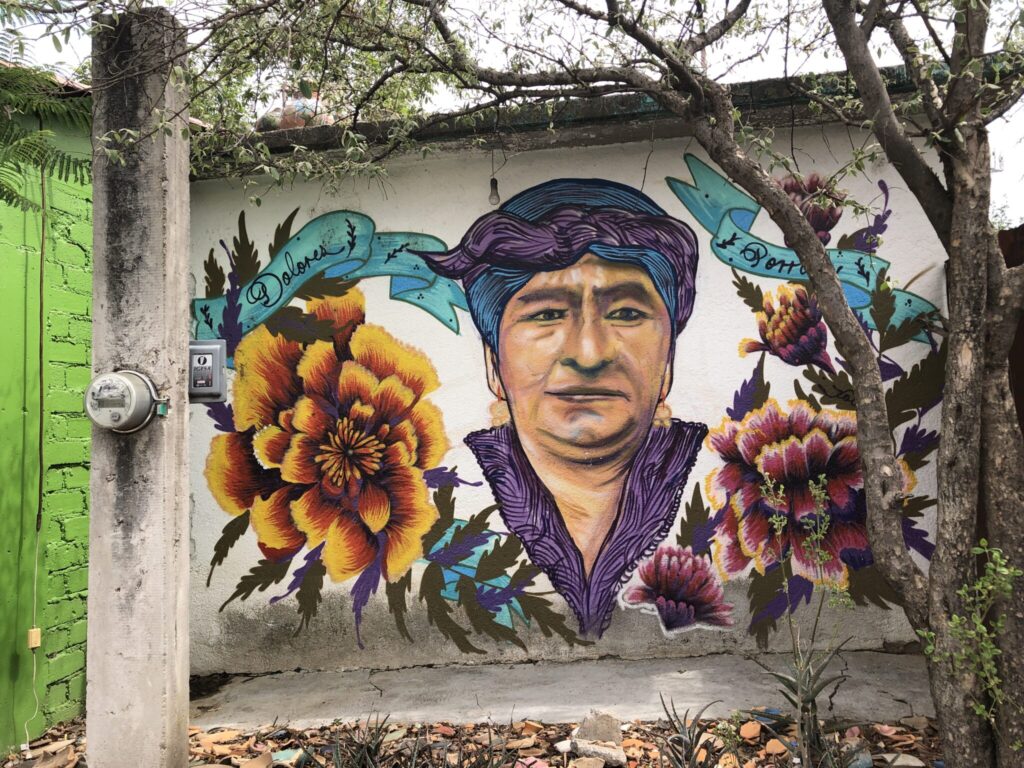
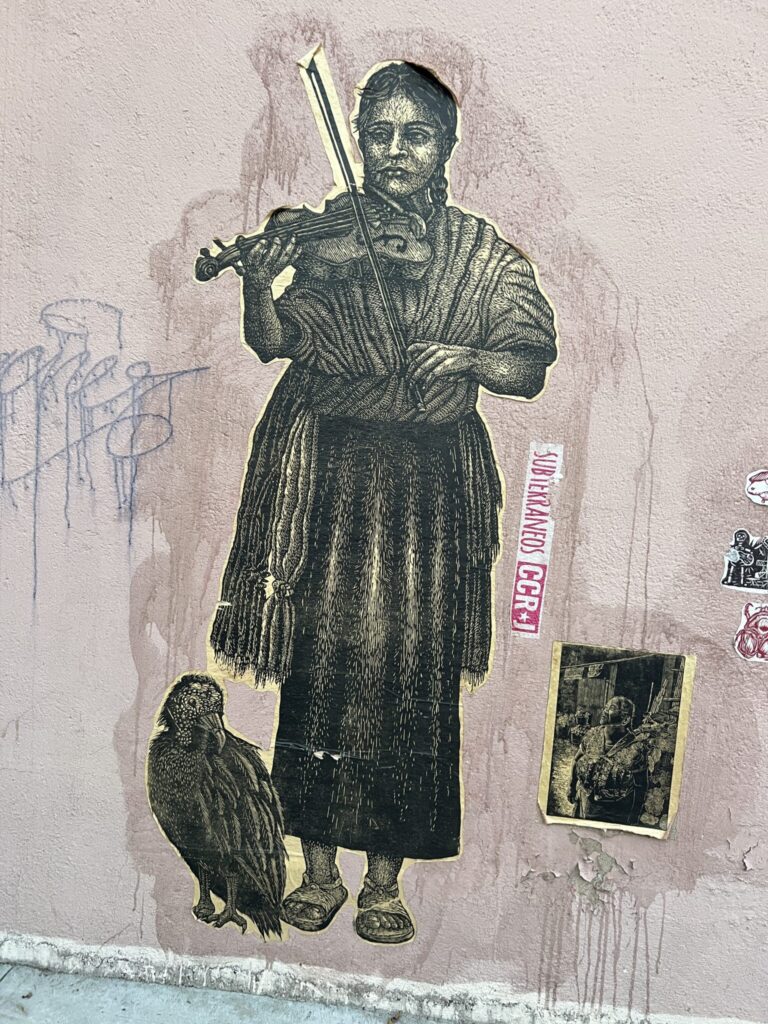
Find below more Images and artistic representations of indigenous women around the city and state of Oaxaca.
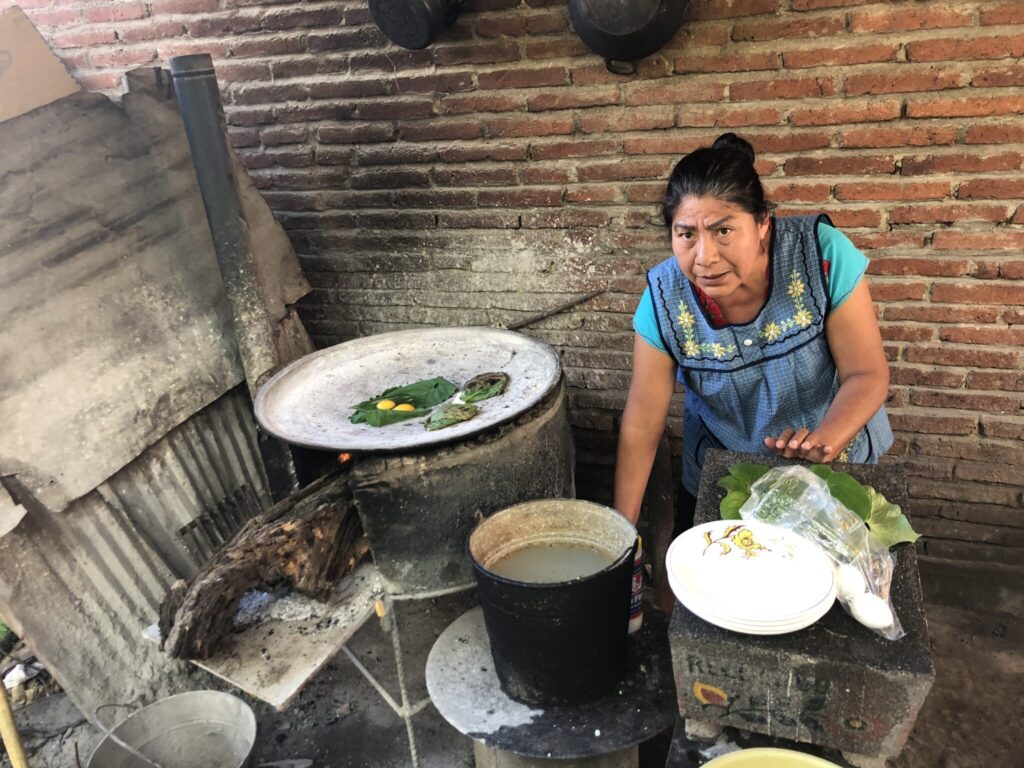
*In Oaxaca, “Indigenous women” can be defined in multiple ways. INEGI (National System of Statistical and Geographical Information) uses self-identification, speaking an Indigenous language and living in an Indigenous household (where at least one member speaks an Indigenous language) as indicators. People three years and older who speak an Indigenous language in Oaxaca (2020 census) is about 31.2 percent of the state population (The highest in Mexico). Zapoteco is the principal language, followed by Mixteco and others.