At a January press conference in the National Palace, Mexico President Claudia Sheinbaum declared 2026 as Año de Margarita Maza Parada—the Year of Margarita Maza Parada. Margarita is a foundational figure in Mexico’s political history for her activism during the country’s tumultuous periods during its Reform War and French Invasion. Throughout the year, nationwide public events and exhibitions will celebrate the native Oaxacan.
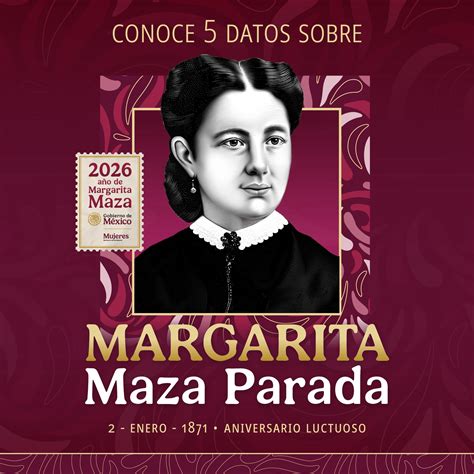
Sheinbaum has a mandate within her administration to highlight women’s historical roles in Mexico, and in this case, to elevate Margarita beyond being mainly remembered as wife to Mexico’s national hero Benito Juárez and First Lady during his presidential tenure from 1858 to 1871.
During Juárez’s presidency, Mexico existed in a state of crisis throughout the Reform War and subsequent French invasion, as his Liberal Party sought to dismantle colonial-era social hierarchies and reduce the Roman Catholic Church’s dominate economic and political power.
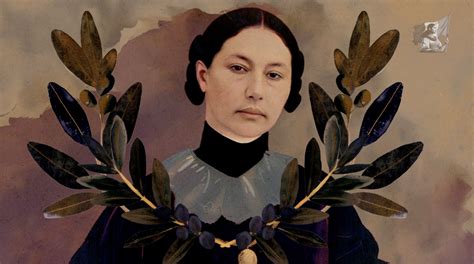
Margarita actively participated in the defense of the Mexican Republic during this fraught time. She provided counsel to her husband, and coordinated financial support and humanitarian aid for soldiers and displaced families. Margarita carried out this work while caring for her own family that included twelve children in all, five of which didn’t survive into adulthood. At one point, when Juárez was forced to govern in precarious and remote locations, Margarita opened a bakery to earn an income. When she herself faced political persecution, she fled with her children on foot to the United States.
In Washington DC, Margarita took on diplomatic duties, including meeting with Abraham Lincoln, a supporter of Mexico’s liberal quest. She did this when women in Mexico (and the United States, for that matter) had no right to vote or hold public office.
Mexican feminist, writer, and poet Francesca Gargallo has noted that during the protracted struggles Juárez and the liberals waged to maintain national and religious independence, Mexican feminism had not yet been born. Women appeared and disappeared from the political scene as subsidiaries of the men in their families.
“When Doña Margarita Maza died in Mexico City on January 2, 1871, just a year before her husband, she was remembered as an exemplary mother and wife; no one underlined other types of political skills, since only those corresponded to women,” Gargallo wrote.
Margarita in fact represents thousands of unrecognized women who sustained the Mexican Republic during its fragile years of formation, and whose labor made male-centered liberal democracy possible. By elevating Margarita’s contributions, Sheinbaum is helping to correct an incomplete history that for decades has silenced numerous unknown female figures.
While Sheinbaum’s presidency does break the symbolic male monopoly on presidential power, the country’s female leader still works within an entrenched patriarchal system. Sheinbaum represents access to power, not liberation from power, as women in Mexico still face many challenges regarding femicide, domestic violence, and equality. Still, I believe this represents progress for women in Mexico and beyond.
Margarita died in 1870 of cancer at the much too young age of 44. This year is also recognized as the bicentennial of her birth (March 29, 1826–2026). May her spirit be resurrected.